
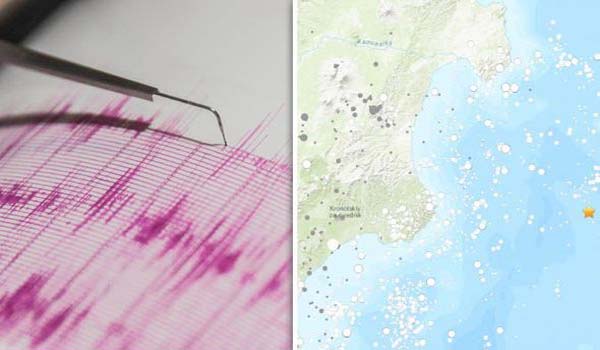
Kamchatka Peninsula: On July 20, three earthquakes struck Russia, notably affecting the Kamchatka Peninsula. The seismic events prompted the Pacific Tsunami Warning Centre to issue a tsunami warning following a 7.4-magnitude quake recorded by the US Geological Survey (USGS), located approximately 144 km east of Petropavlovsk-Kamchatsky. Initial tremors included earthquakes of magnitudes 5 and 6.7, with the major quake occurring at a depth of 20 km.
The tsunami alert warns of potentially hazardous waves in coastal areas up to 300 km from the epicentre. Following the primary quake, additional aftershocks, including quakes of 6.7 and 6.6 magnitudes, were reported. The Kamchatka Peninsula is known for its seismic activity due to its position at the intersection of the Pacific and North American tectonic plates, with a history of significant earthquakes.
On the same day, a 5.6-magnitude quake hit northern Iran and a 4.0 quake struck Tajikistan, which is also prone to earthquakes due to its geographical location. The Iran quake occurred at a depth of 3 km, while the Tajikistan tremor registered at a depth of 160 km.
As seismic monitoring continues and data from this event is analyzed, global emergency managers and researchers will refine response protocols. Meanwhile, residents of Kamchatka and surrounding areas remain on alert, reminders of the planet’s powerful geophysical processes.
Though the immediate effects were limited, this quake swarm underscores a persistent global seismic threat. The brief tsunami alerts—even for distant regions—reflect the transoceanic risks posed by such seismic events. Residents near Kamchatka and Pacific communities rely heavily on timely warnings and evacuations to safeguard lives and property.
Vectoring forward, scientists will analyze the seismic data to better understand regional stress patterns and potential future quakes. The areas’ prior extreme events make even moderate quakes significant for anticipating future activity
