
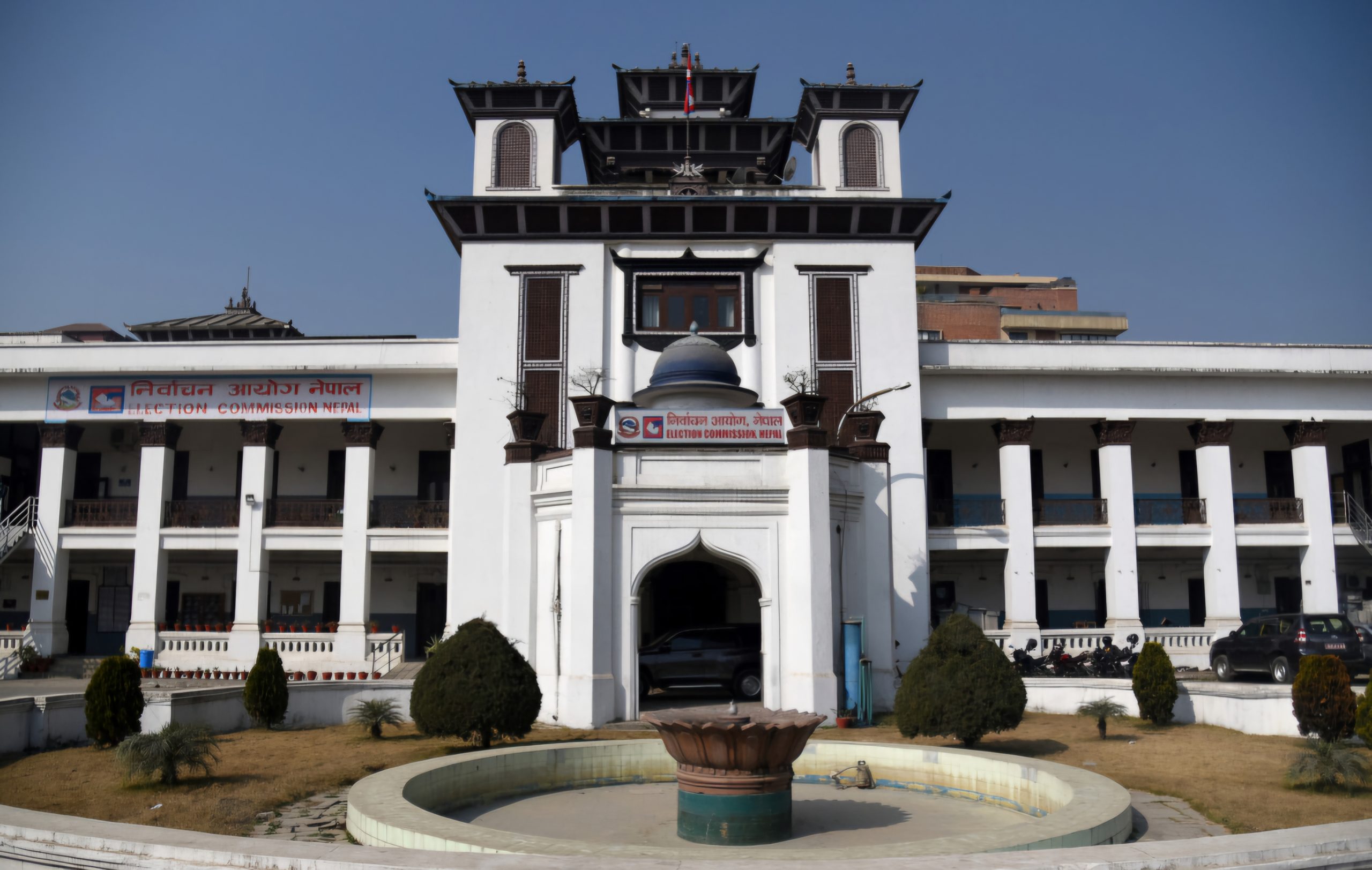
Kathmandu: With only 60 days remaining for the upcoming House of Representatives elections, Nepal’s Election Commission has enforced the election code of conduct starting today, in accordance with electoral regulations.
As per the code of conduct, which came into effect on Sunday, no government or semi-government body will be allowed to engage in any activity in favor of or against any political party or candidate.
For the elections scheduled to be held on March 5, the Election Commission has stipulated that resources allocated to any project must not be used in a manner that benefits or harms any political party or candidate. The code also mandates that no obstruction should be caused to election management, voter education, or other programs conducted by the Commission. Election-related materials or information must not be damaged, altered, or tampered with.
Under the code, government or semi-government offices, public institutions, universities, schools, and colleges cannot be used for election meetings or campaign activities, either in support of or against any party or candidate.
The code further prohibits the production, use, sale, distribution, or display of jackets, shirts, vests, T-shirts, caps, shawls, masks, lockets, or any other clothing bearing party symbols or election symbols. Similarly, symbolic materials such as stickers, logos, bags, badges, tattoos, or similar items linked to political parties or candidates are also banned.
It has also been clearly stated that political activities or campaign programs cannot be carried out on private property without the consent of the house or land owner. The use of children in election campaigning has been strictly prohibited.
In addition, rallies, processions, public meetings, corner meetings, gatherings, or campaign activities must not be organized in a way that disrupts the movement of the general public. The code of conduct also clearly states that the dissemination of false, misleading, or hateful information through social media or any other medium is strictly prohibited.
